Modders Lift Nvidia RTX 30 and 40 AI Speed Limit
A firmware exploit lifts the half-rate FP16/BF16 tensor limit on RTX 20, 30 and 40 GPUs. Real gains, risks and who should try it.
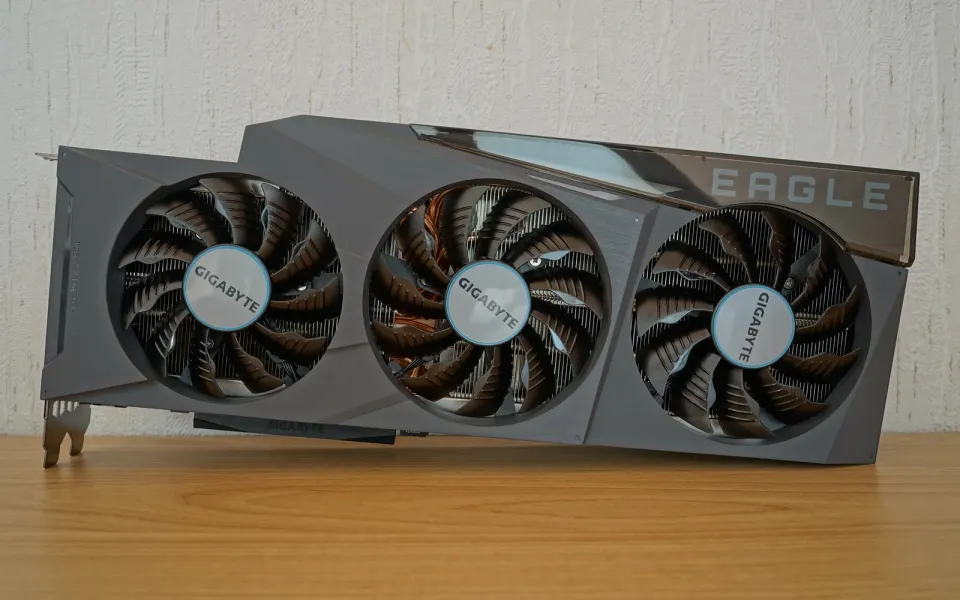
Owners of older Nvidia cards just got a surprise speed boost for AI work, though Nvidia had nothing to do with it. Modders have found a way to lift a half-speed limit that GeForce RTX 20, 30 and 40-series GPUs have on some tensor math. Tom's Hardware covered it after VideoCardz picked it up.
What happened
On GeForce cards, Nvidia runs FP16 and BF16 matrix math with FP32 accumulation at half the rate its pro cards get. It's in Nvidia's own specs. The open-source gpu-unlock project, a Linux kernel module by a developer called Zagitta, flips that limit back to full rate on RTX 30-series chips (GA102, GA103, GA104 and GA106). Forks do the same for the RTX 4090, with a few other 40-series cards still experimental, and for the RTX 2080 Ti.
The trick depends on a bug in Nvidia's signed security firmware. A stack overflow lets the module run code in the GPU's most privileged mode, change two "speed selector" settings, then reset the card before Nvidia's normal driver loads. The maintainer has said the exploits weren't his ideas and that the module "just flips the 2 bits." RTX 50-series cards aren't supported.
The gains depend on what you're running. The project's own table for an RTX 3090 Ti at 450 W shows BF16 matrix math going from about 87 to 157 TFLOPS. User reports for other cards range from roughly 25% to 80%, and power limits matter a lot. Prompt processing in local LLMs gets 14% to 36% faster, and image generation speeds up too. Token generation barely moves, since it's limited by memory bandwidth, and games don't get any faster.
Why it matters
A lot of people run local AI on used RTX 3090s because 24 GB of VRAM is cheap that way. Getting much faster prompt processing and Stable Diffusion runs out of a card you already own is a real win. It also shows how much of that gap between GeForce and pro cards is simply locked in firmware.
I'd be careful with it, though. The Turing fork warns it "may damage your hardware," and another project says it can hang the machine, stop it booting or corrupt data. Nvidia could also close the bug in a future firmware or driver update.
What to do
- Gamers can ignore this. You won't see more fps.
- If you run local models on an RTX 3090 or 4090 under Linux, read the README first, then run your own before-and-after benchmark instead of trusting someone else's numbers.
- Don't try it on a machine you can't afford to have go down, and expect warranty claims to get awkward.
- Windows builds exist but are experimental. Waiting is the safer choice.
If you're getting started with local AI, my guide to running DeepSeek and Llama with LM Studio covers the basics, and my list of Ollama models that fit in 8 GB helps if your card is smaller.



Comments ()